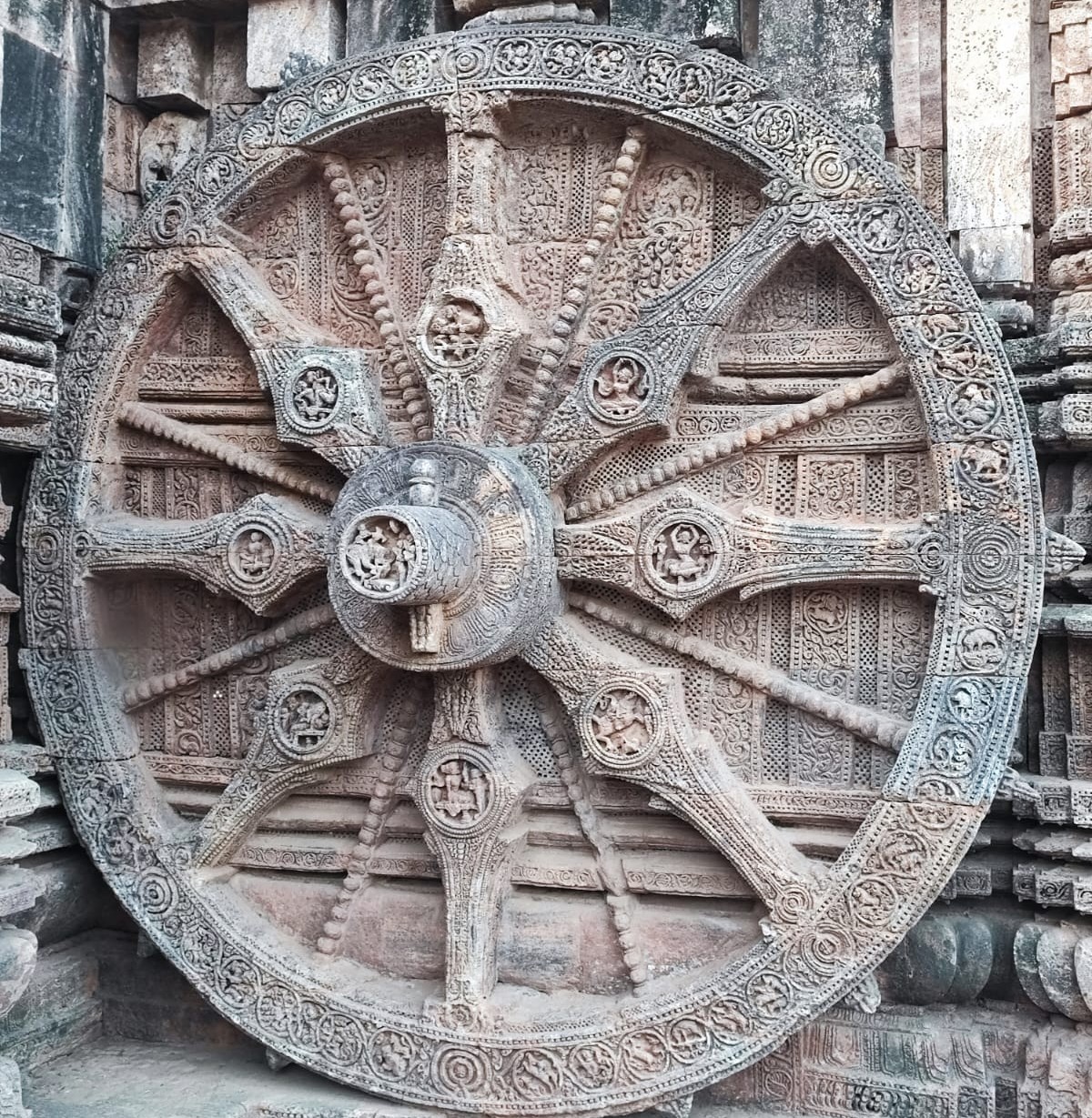
Odisha, formerly Orissa, is a state in Eastern India. It is known for its rich cultural heritage, stunning temples like the Konark Sun Temple, and serene beaches along the Bay of Bengal. Odisha is a place full of history and natural beauty. It’s also home to the famous Jagannath Temple in Puri, one of the Char Dham (four pilgrimage sites of Badrinath, Dwarka, Puri, and Rameswaram in the north, west, east, and south) for Hindus.
The language spoken here is Odia, and Odisha beautifully blends its traditions with influences from neighboring states, creating a vibrant and dynamic cultural identity. Odisha shares similarities in its language and script with West Bengal. Its tribal culture shares influences from Andhra Pradesh and Jharkhand in its Dance forms, tribal crafts, and way of life.
We planned a seven-day itinerary covering Puri, Gopalpur, and Chilka Lake. We were a group of 5 with a mix of different age groups traveling together. We hired an Innova Crysta vehicle to be with us for the entire duration of our travel.
Odisha boasts a delicious and diverse culinary heritage! Odisha’s rivers, lakes, and coastal waters provide a diverse range of fish to its culinary traditions. A few of the culinary dishes we enjoyed were the
- Kangha/Mullet Fish
- Dalma: a wholesome lentil dish cooked with vegetables, tempered with ghee and spices.
- Chhena Poda: A unique and beloved dessert made of caramelized cottage cheese.
- Khechudi: Odisha’s take on khichdi(a mix of rice and lentils), often served as prasad in temples.
October to March (Winter) is usually the best season to visit Odisha. Early mornings and the evenings beyond 5 pm were pleasant, but days at the end of March were warm.
ନମସ୍କାର– Namaskar – Hello
7-Day Itinerary – Puri, Gopalpur, Chilka Lake
Day 1 – Mumbai – Bhubaneswar – Puri
We flew from Mumbai to Bhubaneshwar, and then it was an hour-and-a-half drive to our resort in Puri. I felt a sense of peace as we travelled through the roads in Orissa. There are no maddening crowds, peaceful people, and there is a general sense of quietude around. We chose a resort in Puri that was almost equidistant from both Jagannath Puri and Konark Sun Temple so that our travels on the subsequent days would be easier.
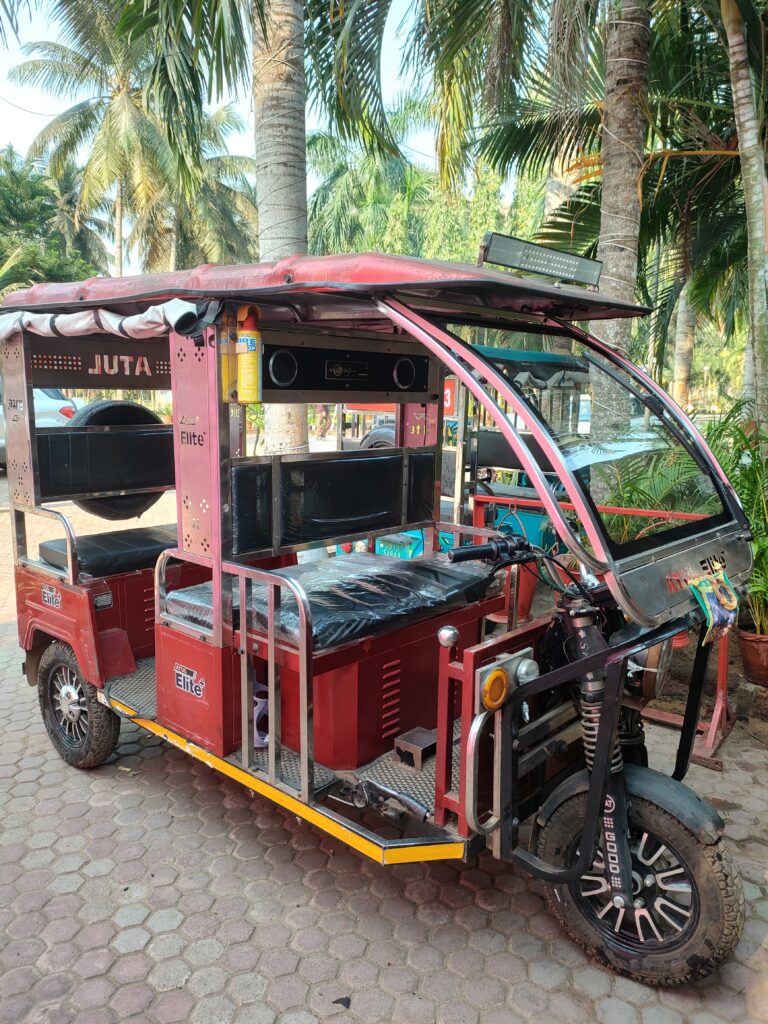
We stayed at Toshali Sands Nature Escape in the cottage rooms. This is a popular place for destination events – weddings, religious ceremonies, etc. There was an event on each of the 3 days we were there, though this did not affect the quality of our stay. The cottage rooms were comfortable, and the food at the coastal dhaba within the resort was also good. They have auto-rickshaws to take you around the resort for the elderly or people unwilling to walk.
Travel Tip #1 - Carry a mosquito repellent for your travel in Odisha
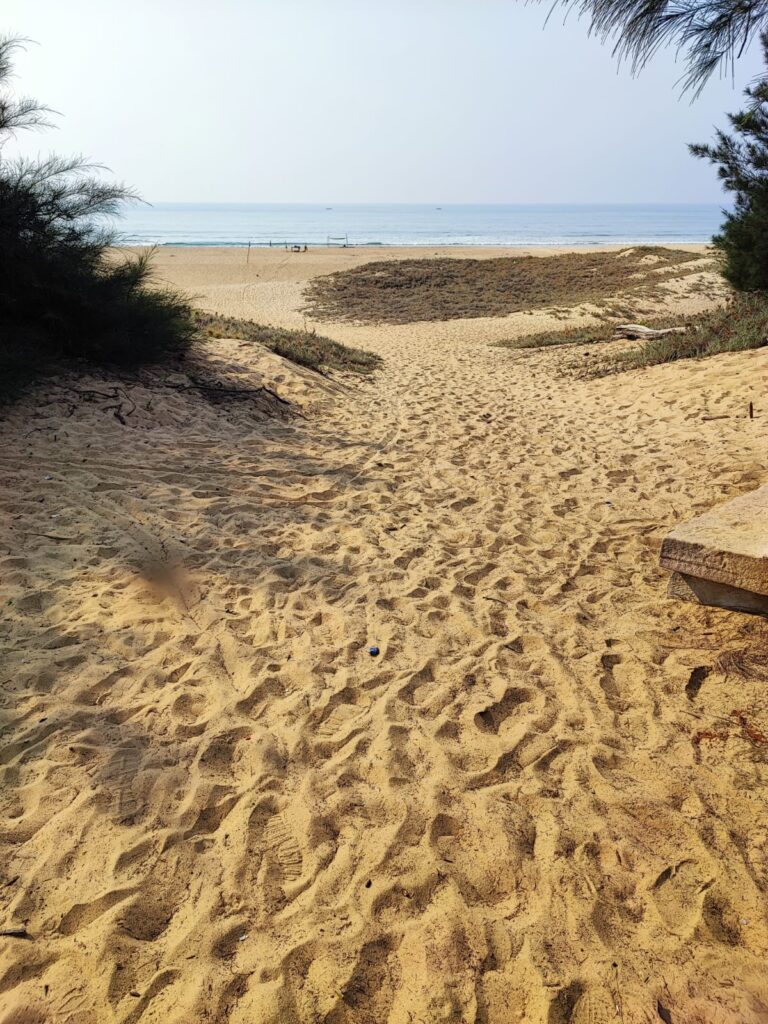
You have access to the private beach at about 2.5 km – Balighai Beach. The resort offers a vehicle for drop-off and pickup from the beach. We took a morning walk to the Balighai beach, walking through the dirt road surrounded by forest on either side.
Puri is a land of Temples, If you are a temple enthusiast, you could visit quite a few temples here. We chose to go to Jagannath Puri temple, one of the most revered temples for Hindus.
We had a restful evening and arranged for a local Panda (Priest) to take us around the Jagannath Puri temple the next day.
Day 2 – Puri – Raghurajpur – Jagannath Temple
We had the morning to ourselves as the visit to the Jagannath temple was scheduled for 4 pm to avoid the crowd and the heat.
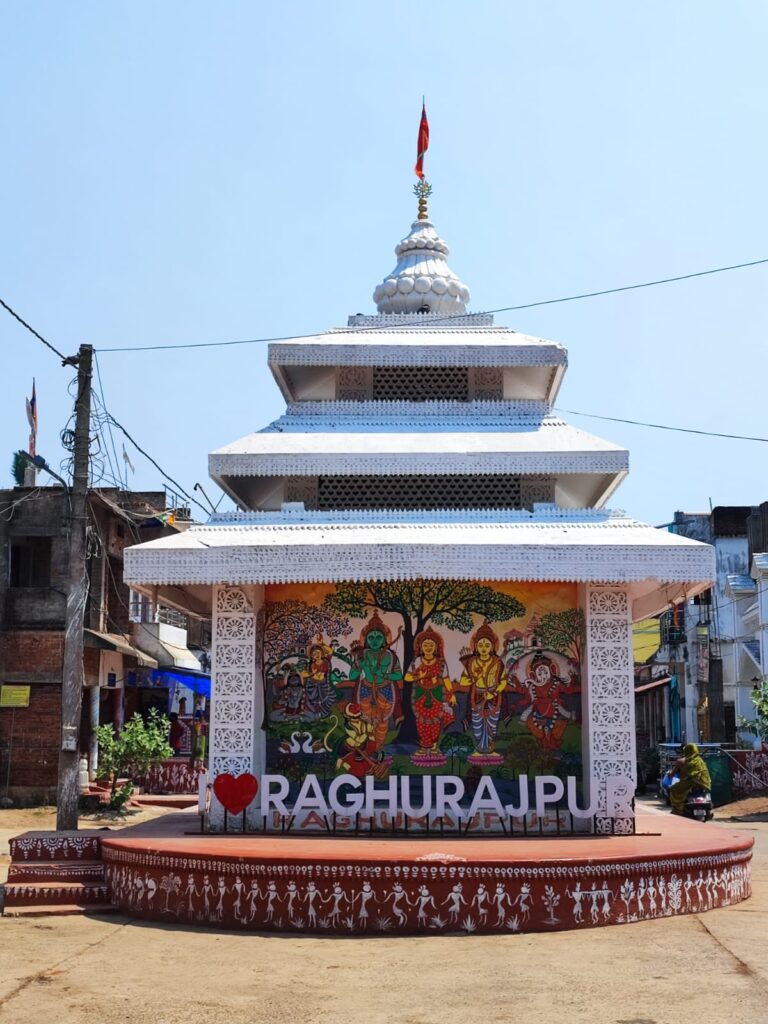
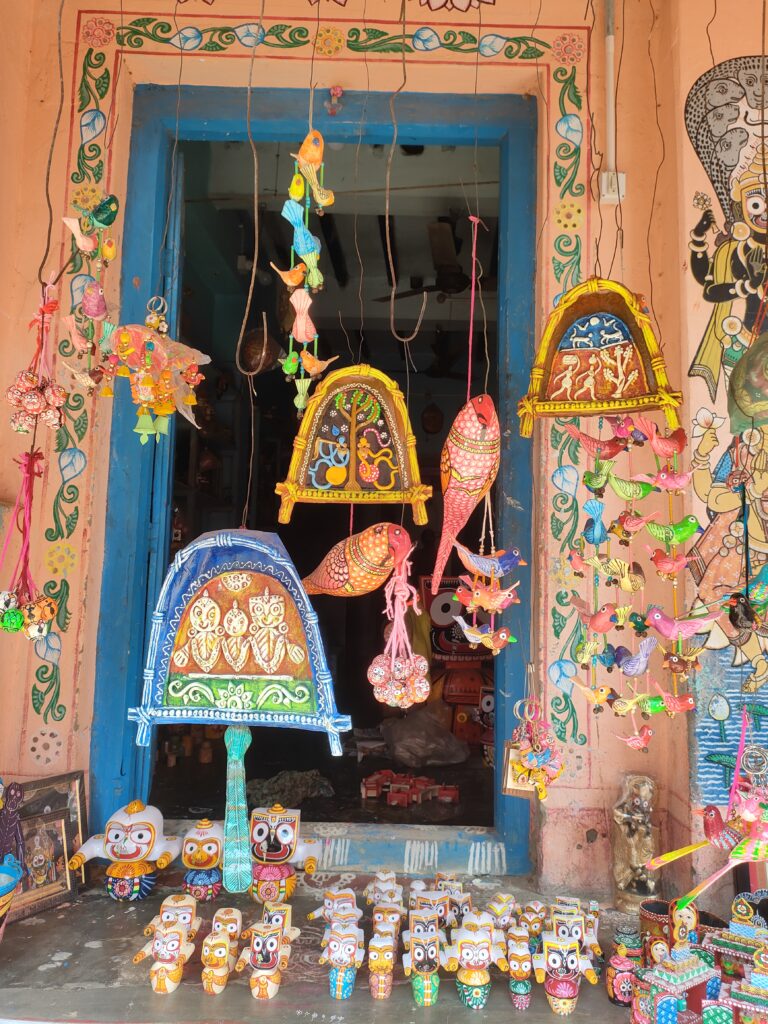
To utilize our morning half, we decided to visit the Heritage Art Village of Raghurajpur, which was about half an hour from our resort. In 2000, after a project by INTACH, the village was chosen to be developed as Odisha’s first heritage village. It is famous for its Pattachitra (traditional, cloth-based scroll painting) paintings, an art form that dates back to 5 BC in the region. You will find almost all the houses in the village beautifully painted and selling their art wares. We picked up some beautiful pattachitra paintings and souvenirs to take back home.
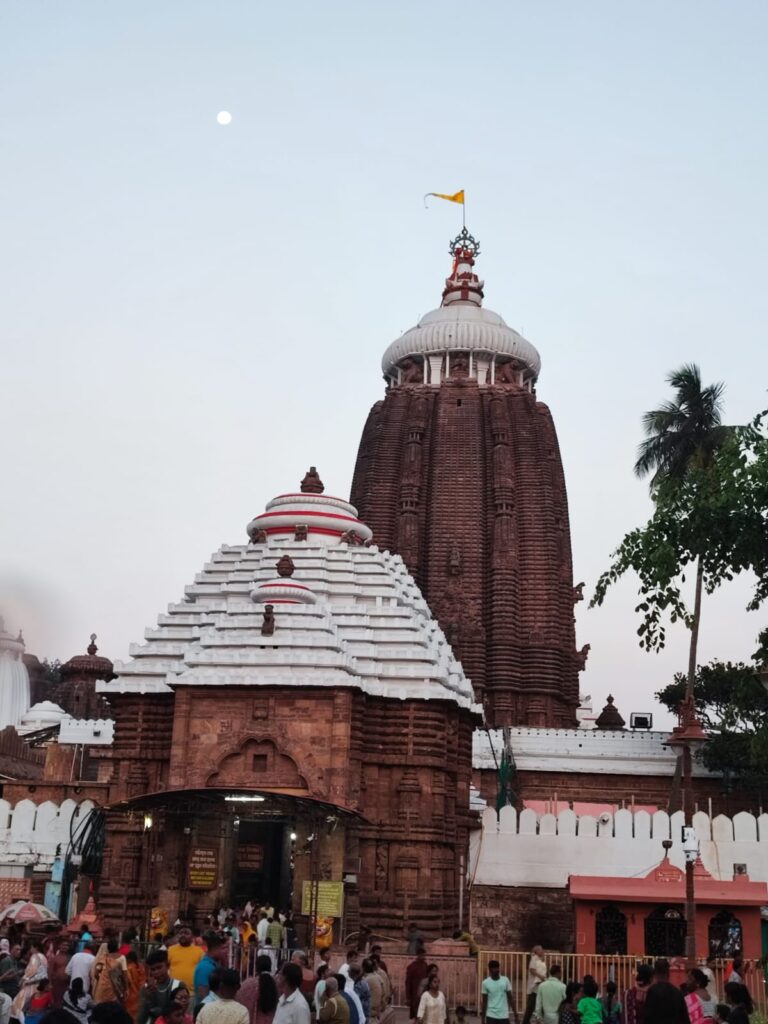
After a restful afternoon, we started our much-awaited journey towards the Jagannath (Lord of the Universe) Temple. The Jagannath Temple is one of the most revered Hindu temples and a significant pilgrimage site. Dedicated to Lord Jagannath (a form of Vishnu), along with his siblings Balabhadra and Subhadra, the temple has a rich history intertwined with mythology and devotion. The Panda met us outside the temple with his assistant and took us inside, explaining the details about the temple along the way. The Jagannath temple operates differently from other temples all over India. Here are a few key differentiators
- 36 traditional communities render a specific hereditary service to the deities. The temple has as many as 6,000 priests (Pandas). For example, if a priest performs a food service, then he and his descendants will continue to provide that service for the deities.
- The worshippers can make no direct offering of food, sweets, flowers, etc, to the idols; you need to donate a specific amount for the service at the trust’s official counter, and you are given a receipt for it. The pandas will perform the service at a later time.
- Around 500 cooks and 300 helping hands prepare 56 different offerings known as ‘Mahaprasad’ or ‘Chappan Bhog’ for Lord Jagannath, which are served to the deity six times a day. The kitchen has 32 rooms, 752 stoves, and nine earthen pots, making it one of India’s biggest kitchens.
- The idols [deities] are carved in wood, unlike other Hindu temples where the idols [Deities] are made of granite or a combination of metals.
There is so much to the Jagannath Temple, and it warrants a separate write-up. You will see it on learnandexcel soon….
Travel Tip #2 - Preferable to hire the services of a Panda(Priest) to take you around the temple complex
Day 3 – Puri – Konark Sun Temple
We decided to visit the Konark Sun Temple during the second half of the day to avoid the peak heat. We decided to go shopping in the first half of the day to Priyadarshini, about 20 minutes away. They have multiple floors – the ground floor is mainly sarees. Dress materials are on the second floor, and handicrafts are on the top floor. It’s a good option to shop for everything touristy in one place, though I found the range of sarees to be limited, both design and pricing-wise. We came to know about Boyanika, which is a trade name for Odisha State Handloom Weavers Cooperative Society Ltd, after we were done with our shopping, otherwise, we would have gone to Boyanika instead of Priyadarshini. However, we did shop at Boyanika at the Bhubaneswar airport on our return journey.
Travel Tip #3 - Shop at Govt of Odisha Stores - Boyanika for sarees and handlooms and Utalika for handicrafts
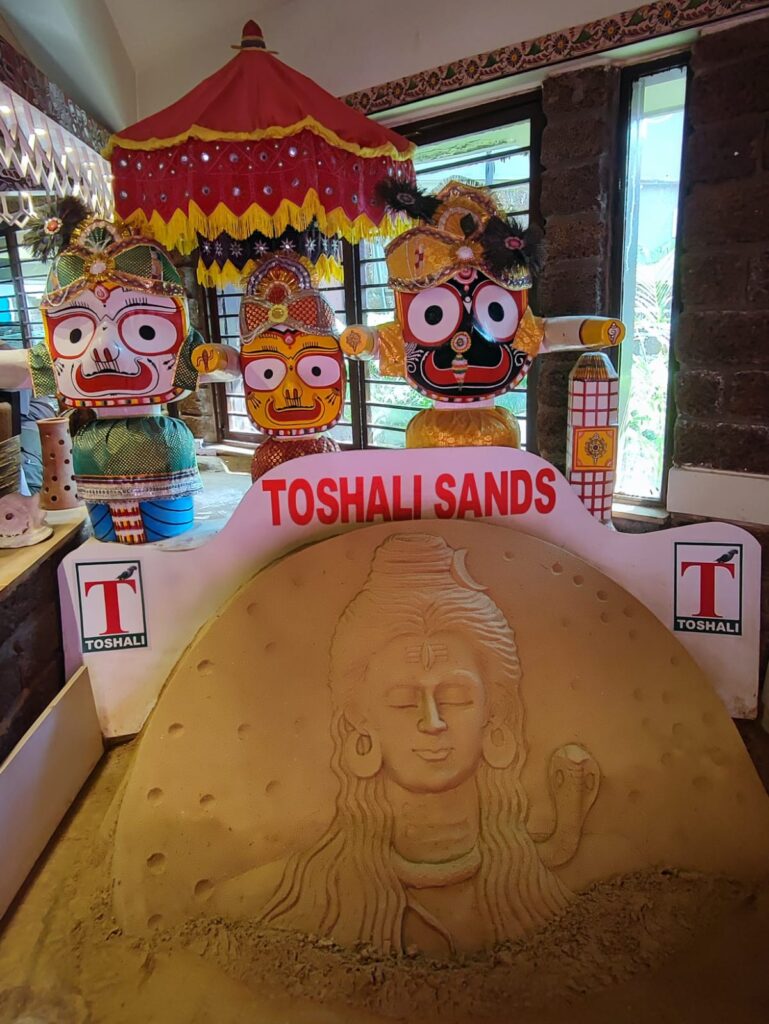
After resting in the afternoon, we started our journey to the Konark Temple. En route, we stopped at the Sand Art Museum for about half an hour. The sand art depicted a wide array of scenes: the Jagannath idols, Jesus, The Jungle Book, and more.
On reaching the Konark Temple parking lot, we hired the services of a government-appointed guide to take us around the ruins of the once majestic sun temple and explain the history and mystery surrounding it. One needs to purchase entry tickets to enter the temple complex. It took us about 20 minutes to get the tickets. During peak tourist season, the queues can be very long, and it can take 1-2 hours just to get the tickets.
Travel Tip #4 - Hire a government approved guide at the Konark Sun Temple to take you around
Declared a UNESCO World Heritage Site in 1984, Konark Temple is dedicated to the Lord Surya (Sun God). It reflects the pinnacle of Kalingan architecture and artistic excellence. What remains of the temple complex is a stone-carved 30 m high chariot with immense wheels and horses. It should take you 1-2 hours, depending on your interest in exploring the temple complex.
The wheel from the Konark Sun Temple is depicted on the reverse side of the Indian 10 rupee currency notes to signify its importance to Indian cultural heritage. There is so much to say about the marvel of the Sun Temple that it is beyond the scope of this travel diary; maybe I will write about it in the future. 🙂
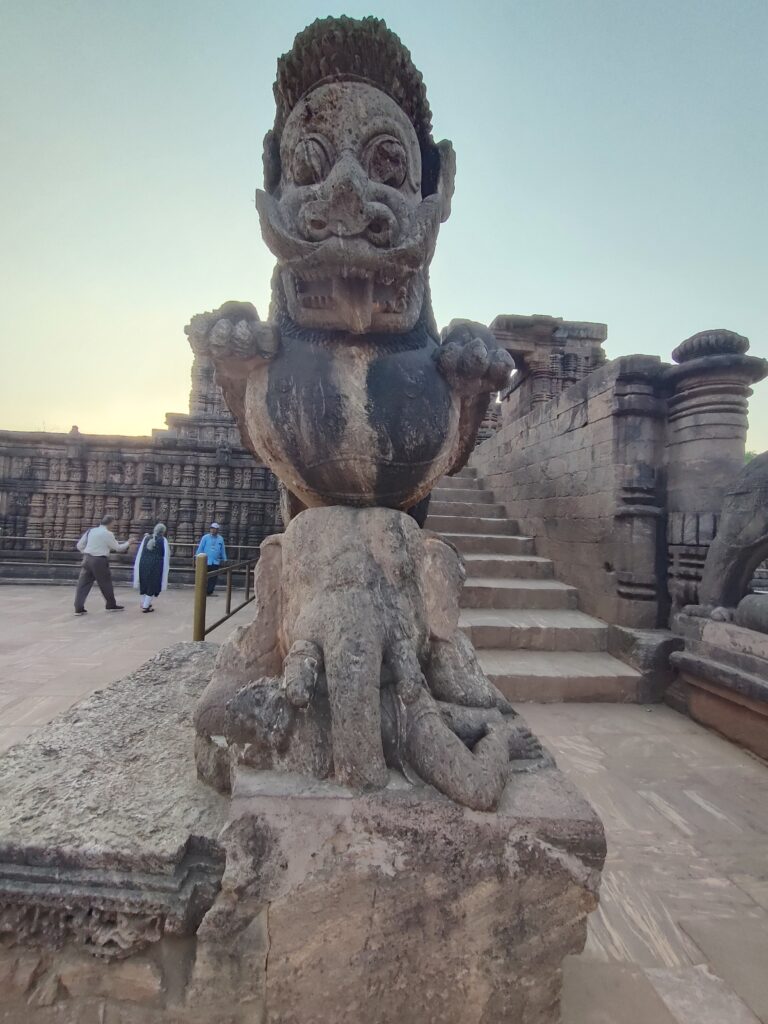
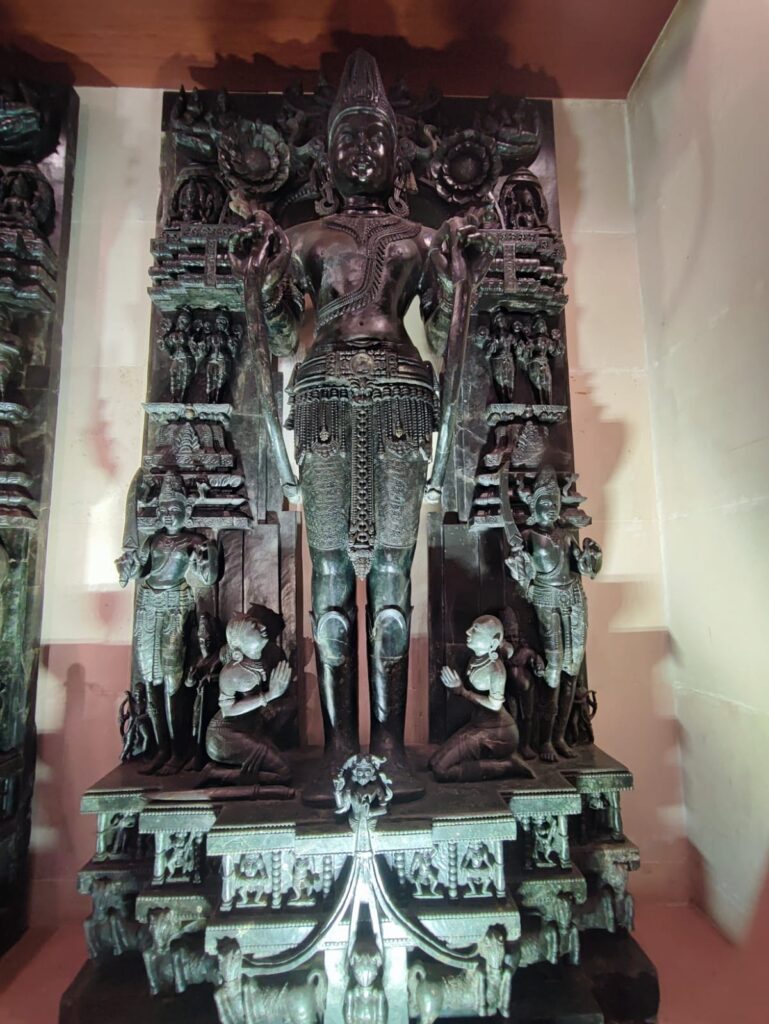
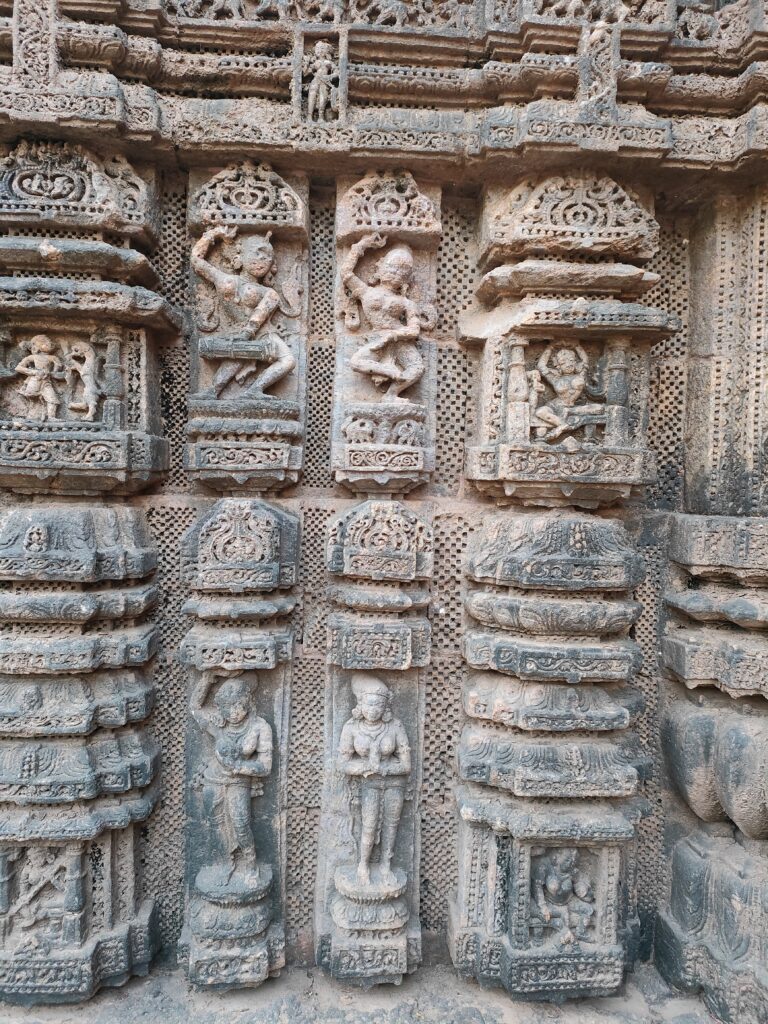
After touring the temple, our guide dropped us off outside the Konark Museum, which is quite close to the temple complex. This too has a nominal price ticket. It should take about 1 to 2 hours for you to explore the various galleries at the museum, depending on your interest. There is a short movie theatre which runs an audiovisual on the Konark temple continuously in both Hindi and English. I would recommend watching this. There are clean washrooms and an eatery also available in the museum complex.
Travel Tip #5 - Watch the audio visual on the Konark Temple at the Konark Museum
The area around the temple complex is loaded with souvenier shops and tit bit shops. Keep at least half a day to explore the Konark Sun Temple and the museum.
On our way back, we stopped at Lotus Eco Resort at Chandrabhaga Beach for dinner. It was an open sitting area with the sound of the water adding to its charm, though we couldn’t see much as it was already dark. The food was good, though by the time it came to the table, it wasn’t hot enough.
Day 4 – Puri – Gopalpur
After breakfast, we started for Gopalpur. Out of the 4-5 hour drive to Gopalpur, the route we chose had about a 45-minute ferry ride. It’s like a row-row ferry in Mumbai wherein the car can go inside the ferry. We enjoyed the light wind and the birds on the ferry ride.
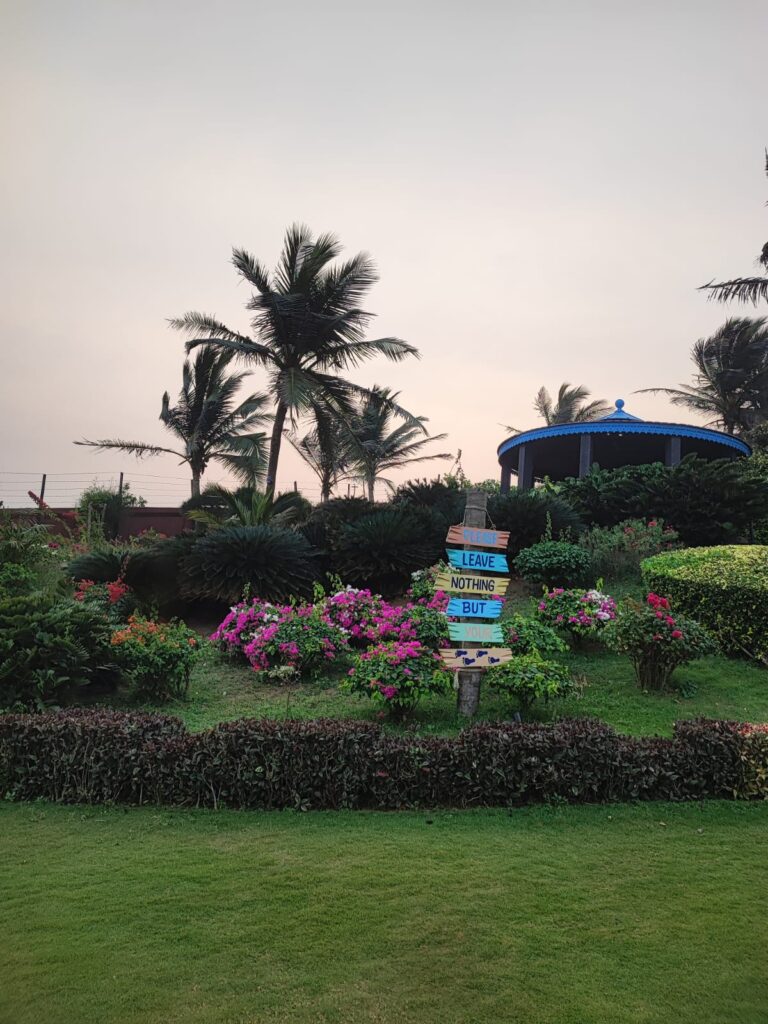
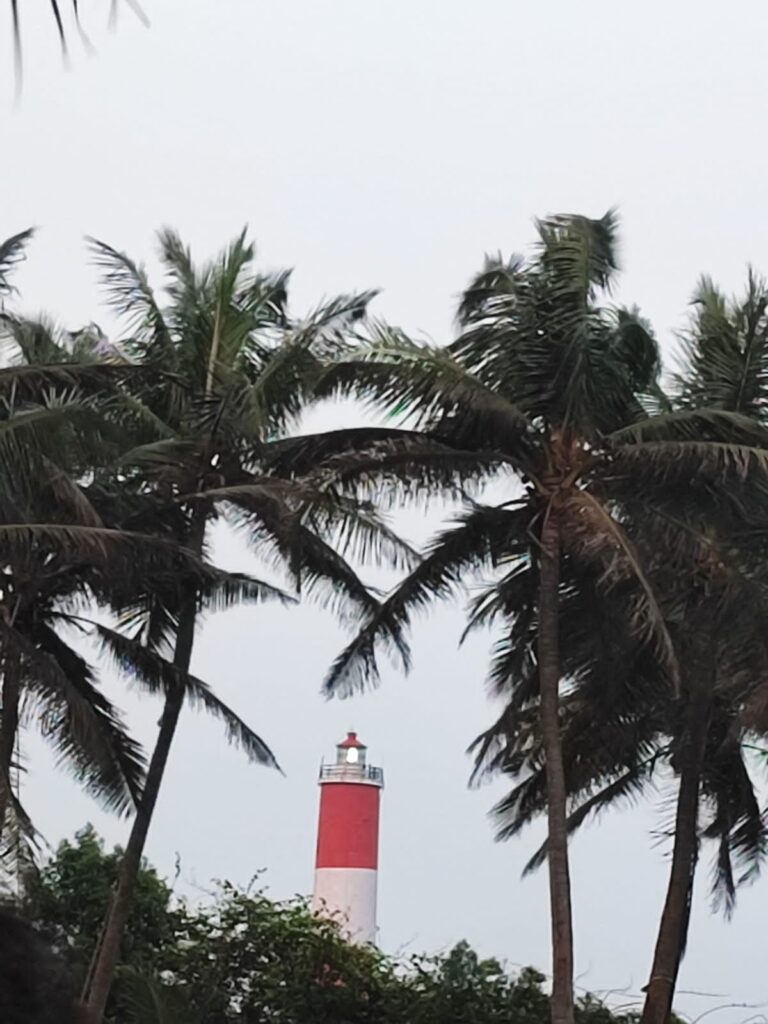
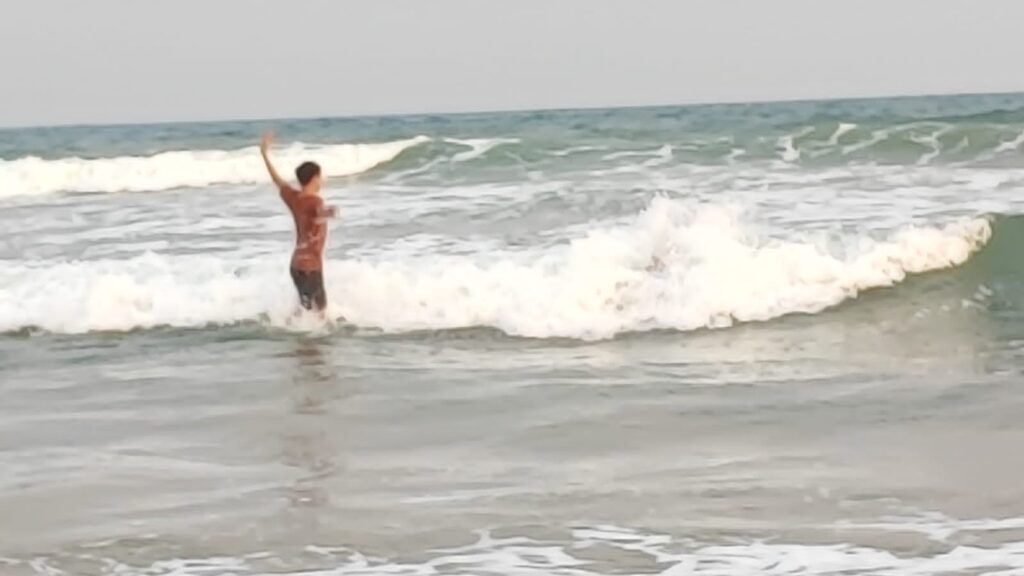
We stayed the night at Mayfair Gopalpur, a beautiful property facing the sea. It has direct access to the beach, and one can enjoy various water sports activities between 10 am and 6 pm. The property has good seating areas overlooking the sea – a library, a deck area for drinks, and more. More days here would have been welcome, but we had to stick to the rest of the itinerary.
Day 5 – Gopalpur – Chilka Lake
Our resort at Chilka Lake was about an hour and a half from Mayfair Gopalpur. We departed after a lazy morning and reached Swosti Resort in time for Lunch.
Swosti Resort is more like the Mahindra Holiday resorts found all over India. They have open gardens, access to a boating point, and indoor and outdoor games facilities. In the evenings, they usually have an entertainment hour planned for the guests. The only thing I wasn’t too happy about was their restaurant facility. They had crammed seating and extremely slow service.
Travel Tip #6 - Adivsable to throw food a bit far from your own person else you are likely to have bird shit falling on you.
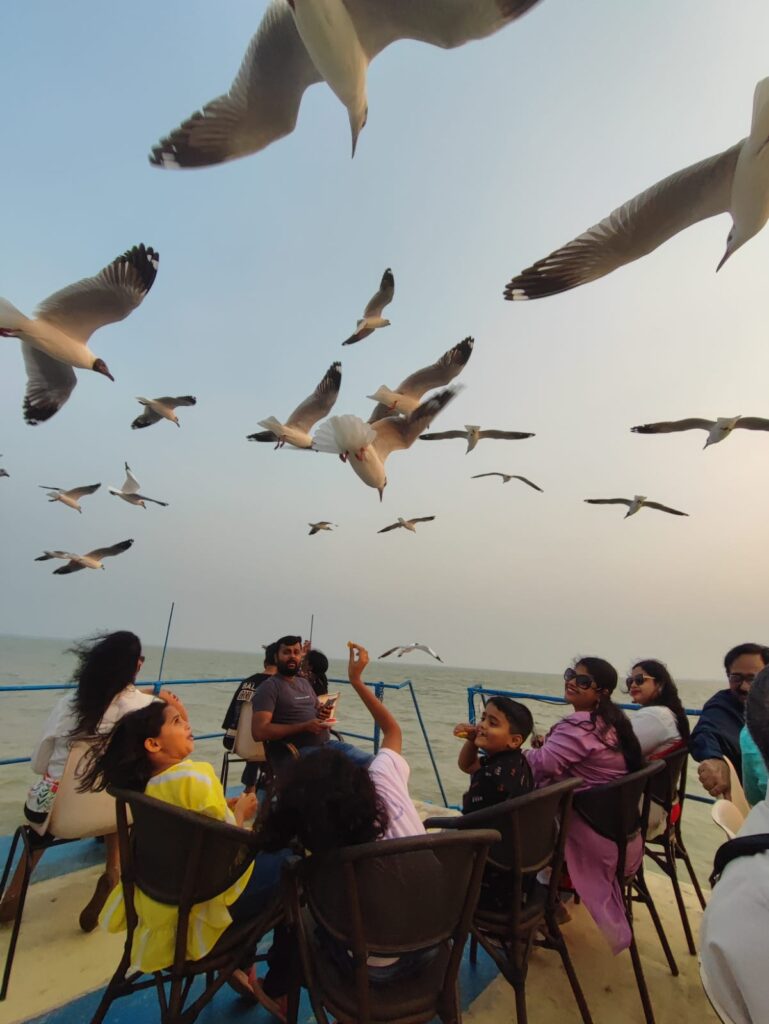
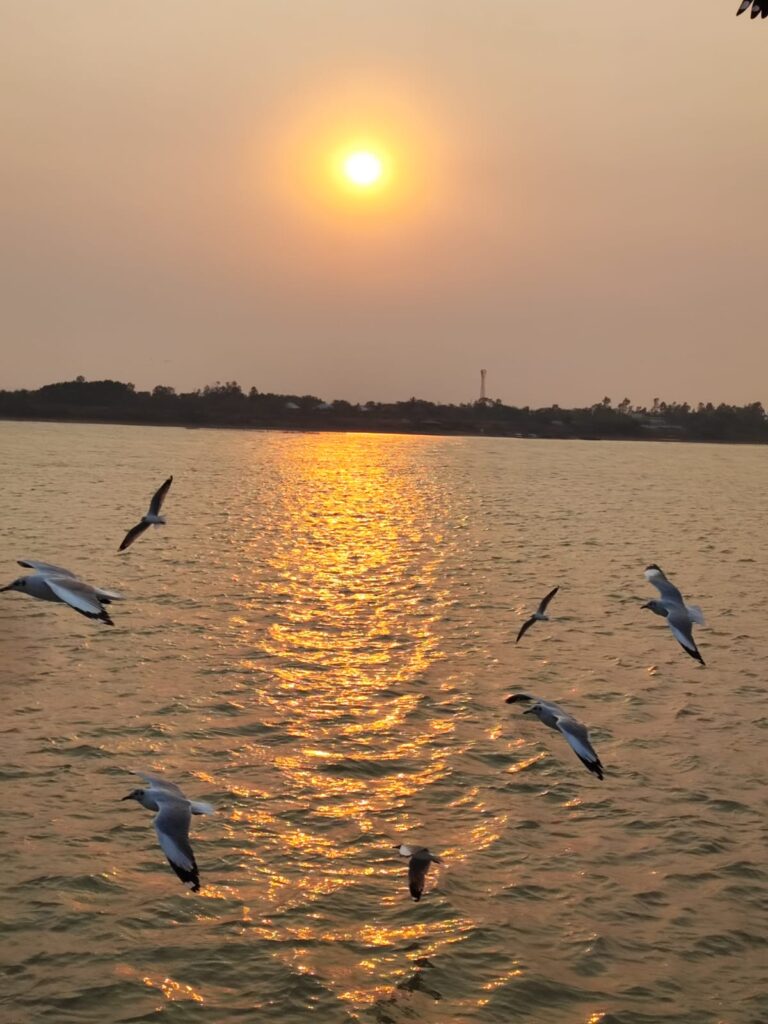
The resort offers a paid sundowner tea boat ride for interested guests. The boat ride started at about 6 pm (though they said 5 pm) and finished at about 7.30 pm. The guests are offered tea and a few snacks as part of the package. The sea birds are so used to this boat that they start towering about the boat at the stipulated time….:-) It is fun to see these birds…how they catch the food thrown at them mid-flight…not once did they come to attack your plates… they keep flying and watching from above for you to offer food to them.
Day 6 – Chilka Lake
Chilika Lake is the largest brackish water lagoon, covering an area of over 1,100 square kilometers (420 sq mi). The lake has numerous islands. One of the islands is Nalbana, which is a Bird Sanctuary. Nalaban remains the highest migratory bird congregation island in the lagoon. Tourists don’t have access to this island, but a boat can take you around it and show you the migratory birds. Another such island houses the Kalijai Temple.
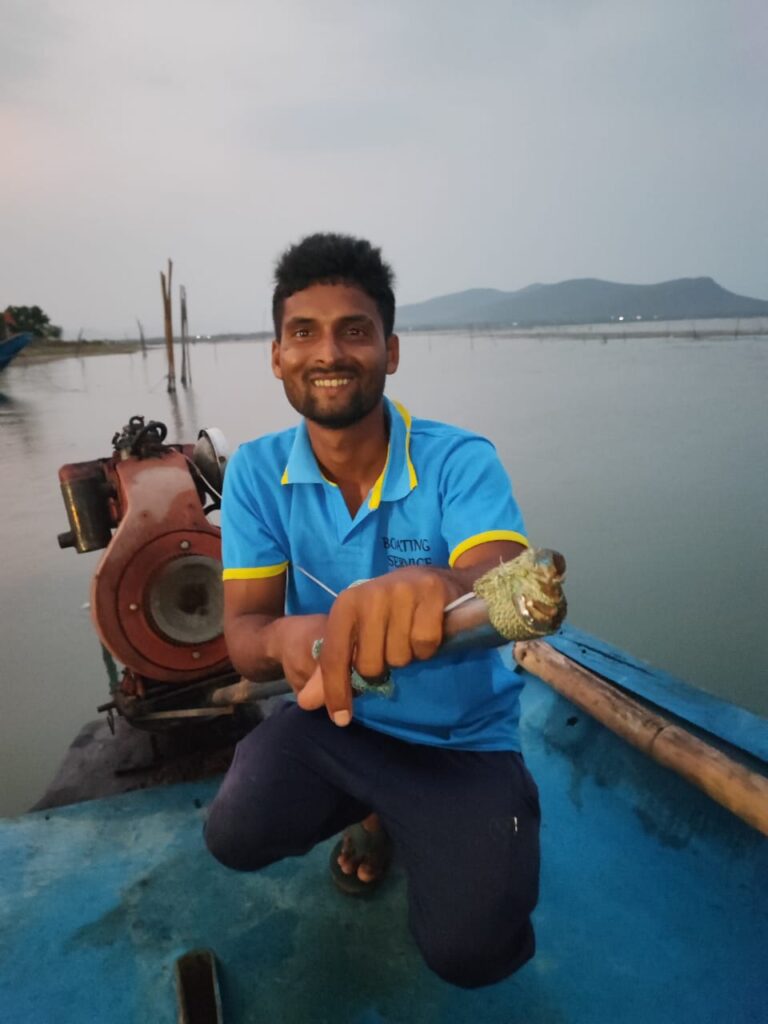
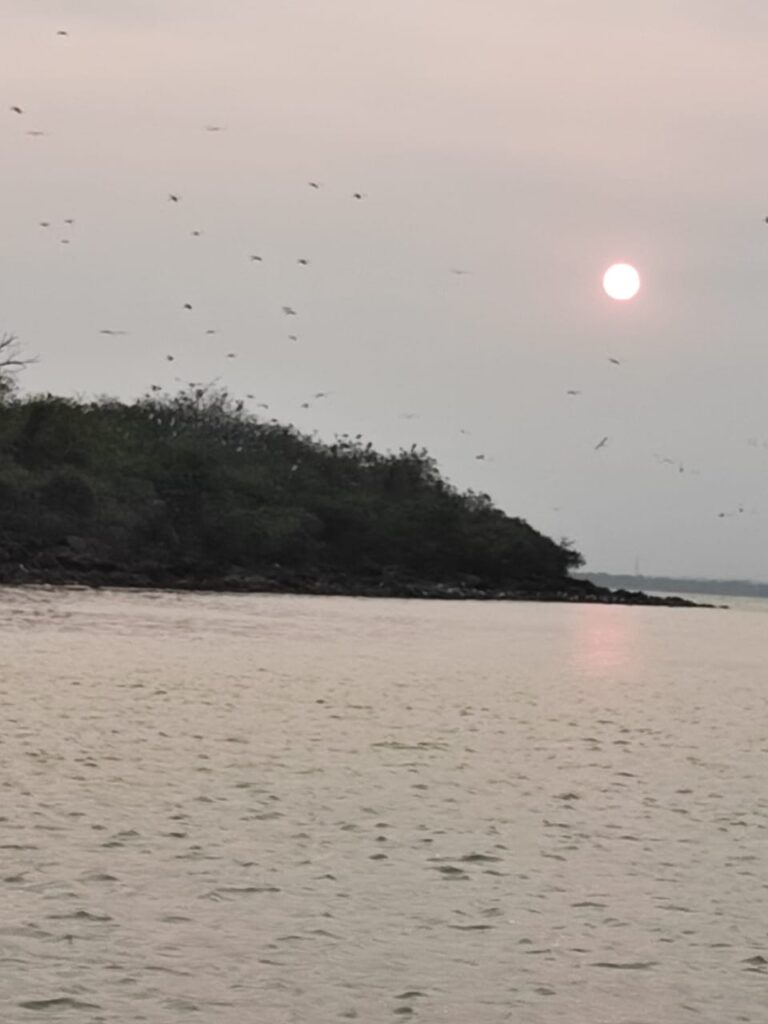
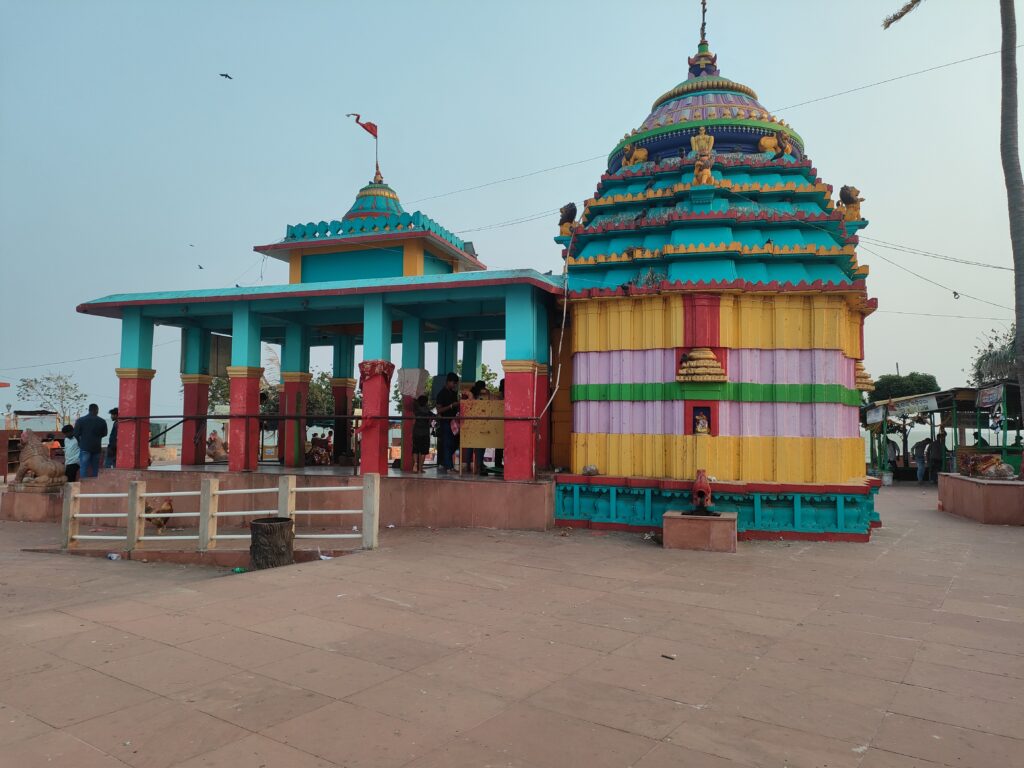
We took a boat to the Kalijai Temple in the evening, which is about 45 minutes away from the place we were staying. Kalijai Temple is dedicated to Goddess Kalijai, who is believed to be an incarnation of Kali. We spent about 30 – 40 minutes on the temple island. This island could be even more beautiful, but the floating debris of plastic and filth around it hampers its beauty. According to our boatman, this island and the temple are under the jurisdiction of the king of Odisha, and the local government can’t do much to maintain it.
Travel Tip #7 - Keep 2-3 hours in the evening for the visit to Kalijai Temple
Later in the evening, we enjoyed a game of housie at the resort. Our teen enjoyed playing the pool table at intervals throughout the day.
Day 7 – Chilka Lake – Mumbai
The airport is about 2 hours from Chilka Lake. After a relaxed morning, we started our journey to Bhubaneswar. We stopped for lunch at Nexus Espalande mall (the biggest one in the city) and then proceeded to the airport.
We managed to cover only a small part of Odisha during this trip. Looking forward to exploring more of this land in the future.
ବିଦାୟ – Bidaya Odisha